

PRE-K3
Children who turn 3 by September 1st
Christ-Centered Learning for 3 Year Olds
At Parkway Christian Academy, our Pre‑K3 program provides a warm, nurturing environment where three‑year‑olds are introduced to school in a developmentally appropriate, Christ‑centered setting. Through structured play, hands‑on learning, and loving guidance, students begin building a strong foundation for future academic success while growing socially, emotionally, and spiritually.
Our Pre-K3 program is designed for children who are 3 years old by September 1 and who are fully potty-trained. We focus on helping students develop confidence, curiosity, and a love for learning while introducing early academic skills at an age‑appropriate pace.
Rooted in biblical values, our classrooms emphasize kindness, respect, responsibility, and joy as children learn how to interact with peers, follow routines, and discover God’s world.
Parkway Christian Academy is a child care facility operating under an exemption pursuant to the laws of the State of Florida and is not subject to licensure or regulation by the Department of Children and Families
Program Hours: 8:00 a.m. – 3:00 p.m.

VPK / PRE-K 4
Children who turn 4 by September 1
Christ-Centered Learning for 4 Year Olds
At Parkway Christian Academy,The Early Childhood VPK program provides a Christ-centered education, integrating biblical teachings into all subjects through Bible stories, songs, and prayer. Phonics, mathematics, and writing activities develop foundational literacy and numeracy skills using hands-on learning with tactile materials (Abeka curriculum). Science and social studies lessons explore God’s creation, emotions, friendships, and historical figures, while reading instruction builds literacy through daily read-aloud and pre-reading activities. Enrichment in art, music, and library time, along with sensory play, STEM activities, and dramatic play, fosters both academic and social development. The VPK program serves children who turn 4 by September 1.
Parkway Christian Academy is a child care facility operating under an exemption pursuant to the laws of the State of Florida and is not subject to licensure or regulation by the Department of Children and Families
PARTNERSHIP WITH PARENTS
We strive to build strong partnerships with parents through effective communication and collaboration in their child’s education. While upholding biblical Christian values, we model God’s unconditional love in all that we do.

PRACTICES ROOTED IN CHILD DEVELOPMENT
We implement research-based, developmentally appropriate practices that align with how young children learn and grow. Our approach nurtures the whole child—spiritually, socially, emotionally, physically, and cognitively—through a balanced mix of teacher-guided instruction and child-initiated exploration. Our classrooms foster hands-on learning experiences where play is an essential part of development. Through play, children engage with God’s world, express themselves, build relationships, regulate behaviors, and cultivate imagination.

PRINCIPLES FOUNDED ON GOD’S WORD
We believe we are effective when we respect God’s developmental design by recognizing that young children think, grow, and learn differently than older children and plan for age appropriate strategies.
-
The Early Childhood curriculum at our school is rooted in a biblical foundation, using Abeka materials to integrate faith and learning across subjects.
-
Biblical principles are woven throughout the day as children learn about God’s love through age-appropriate Bible stories, prayer, worship songs, and Bible memory. Students are introduced to simple Scripture verses and biblical truths in meaningful and engaging ways that support memorization and understanding. Daily interactions emphasize kindness, respect, and gratitude, helping children grow spiritually while building a strong foundation of faith.
-
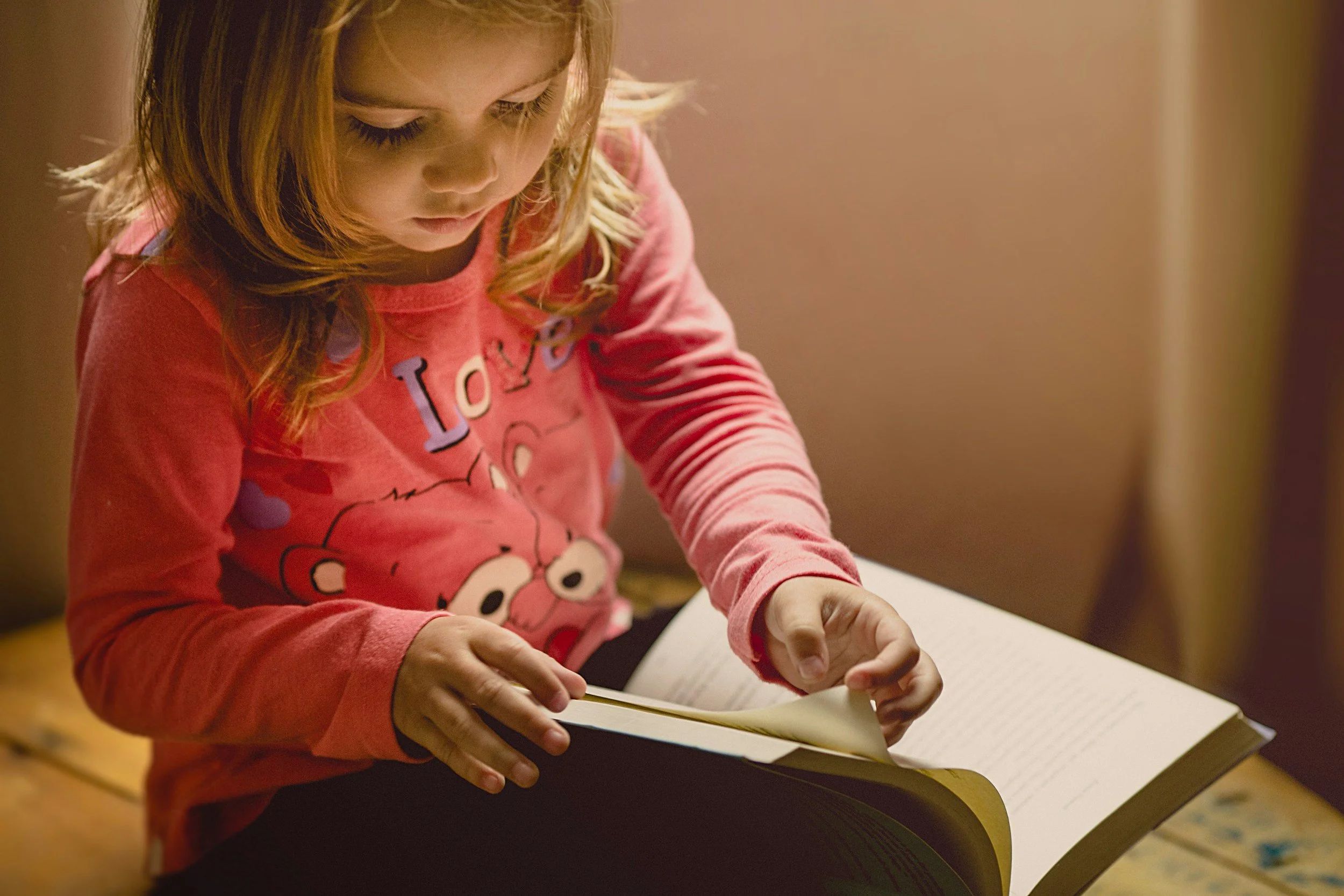
Students develop early literacy skills through engaging, hands-on activities that build phonological awareness, letter recognition, and letter sounds. Children are introduced to rhyming, listening skills, and early pre-reading concepts in a fun and age-appropriate way, helping them develop a strong foundation for future reading success.
-
IEarly math skills are nurtured through interactive lessons that focus on counting, number recognition, sorting, patterns, and shapes. These activities encourage problem-solving and logical thinking while allowing children to explore math concepts through play and guided instruction.
-
Language development is supported through purposeful opportunities for children to expand their vocabulary, practice listening skills, and express their thoughts through speaking. Storytime and group discussions help children build comprehension skills, confidence, and a love for learning and communication.
-
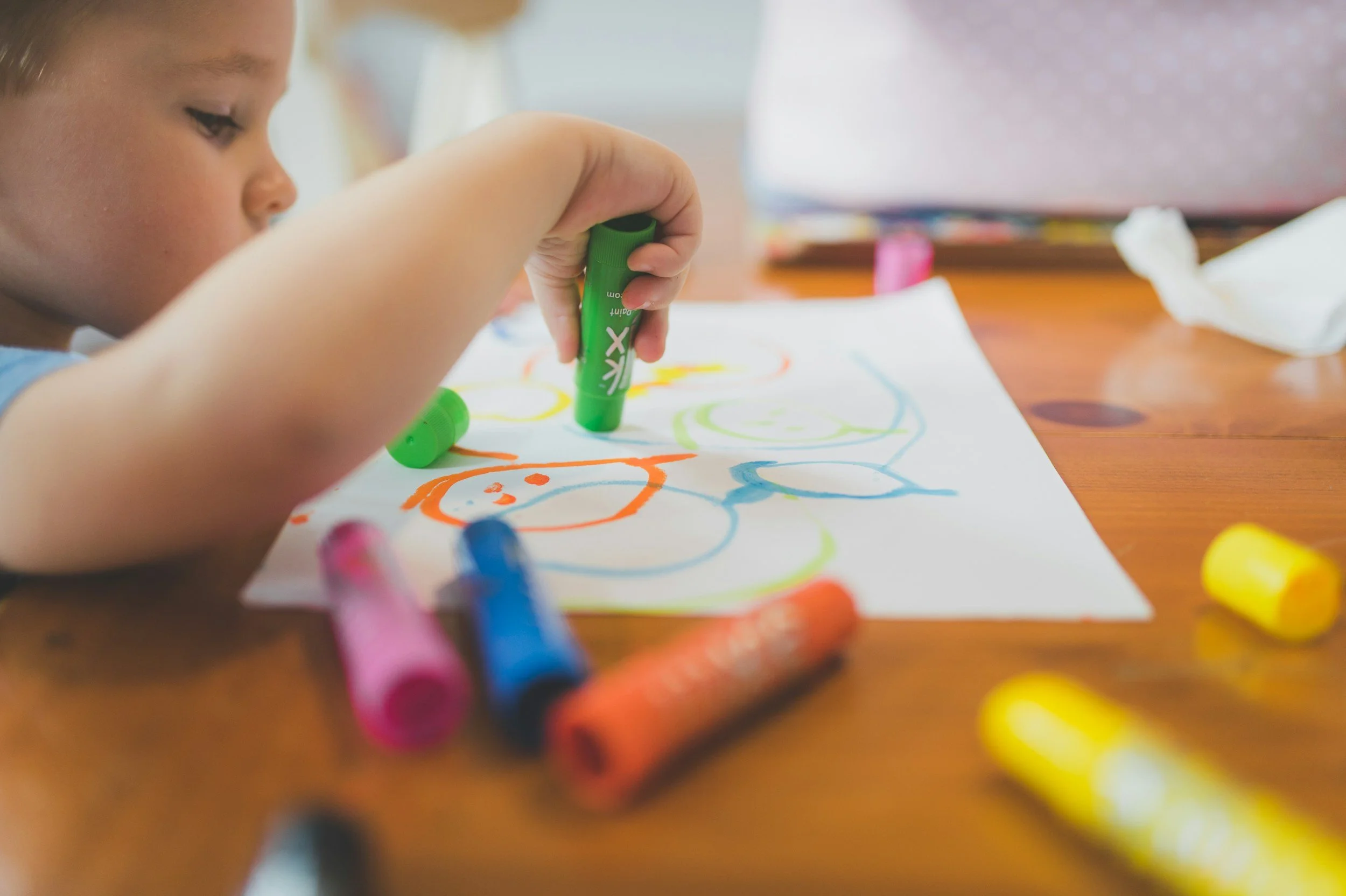
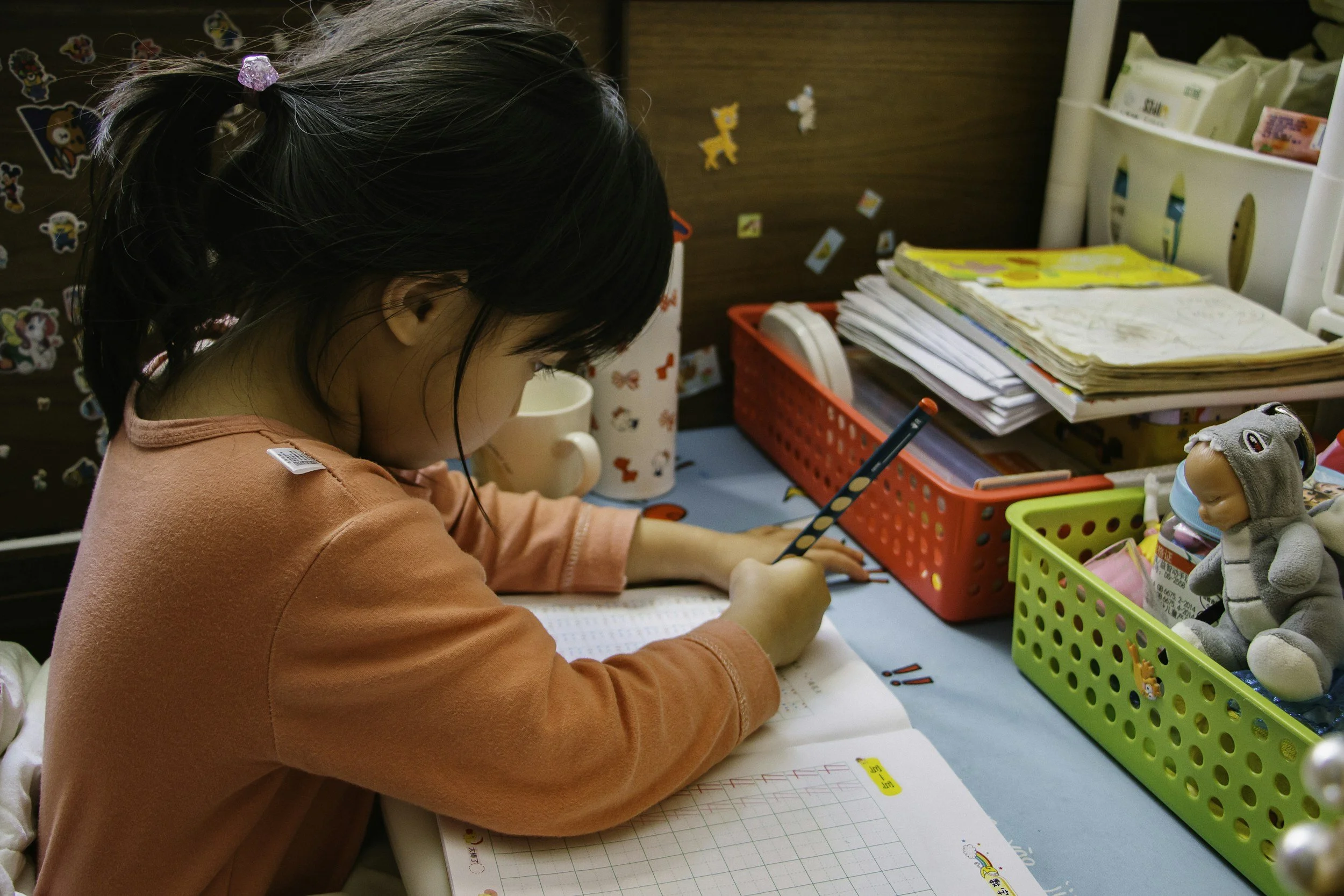
Fine and gross motor skills are strengthened through a variety of hands-on activities such as coloring, cutting, tracing, and other developmentally appropriate tasks. Movement, games, and outdoor play provide opportunities for children to build coordination, balance, and physical confidence in an active and engaging environment.
-
Our classrooms are designed to support learning through hands-on, center-based experiences. During center time, students explore academic concepts through purposeful play while developing important social skills such as sharing, cooperation, problem-solving, and communication. These guided activities allow children to practice independence, creativity, and self-regulation while building skills across literacy, math, motor development, and social-emotional growth in a nurturing and engaging environment.